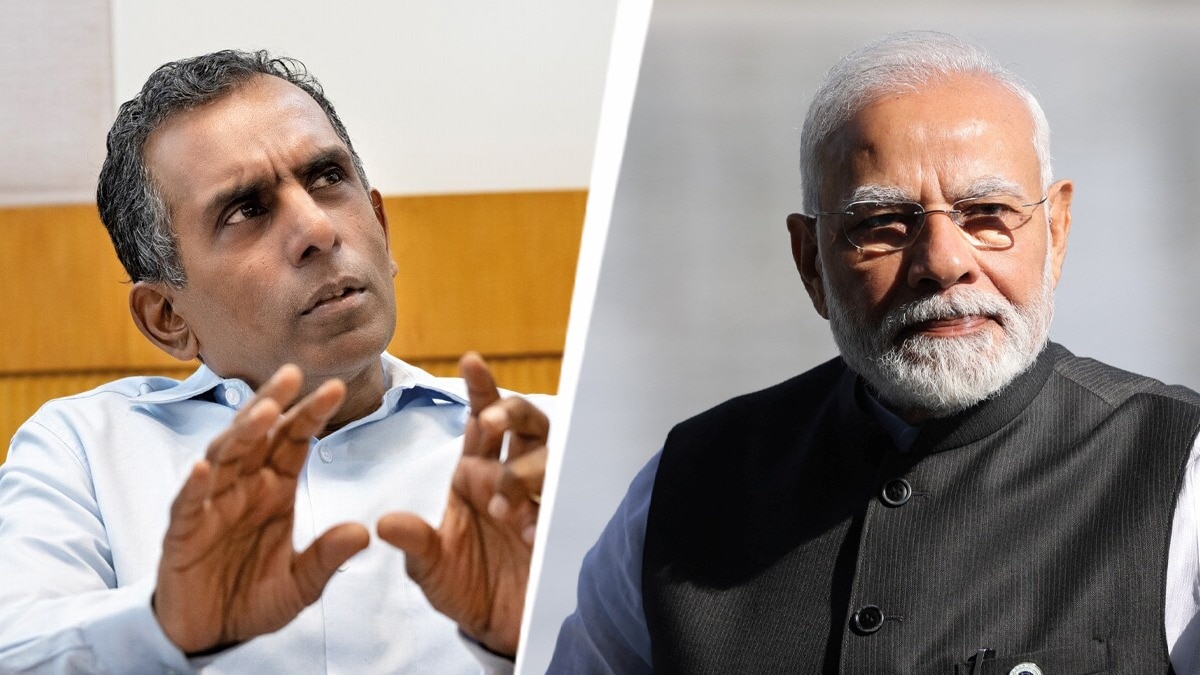
The commercial production at CG Semi Private Limited, a joint venture between Murugappa Group’s CG Power & Industrial Solutions, Reneas Electronics and Stars Microelectronics, took place over the weekend at the Sanand plant in Gujarat. The facility houses the G1 Outsourced Semiconductor Assembly and Test facility (known as OSAT or outsourcing the semiconductor and packaging and testing process).
Inaugurating the facility, Prime Minister Narendra Modi recalled laying the foundation stone of the plant in 2024. “By August 2025, chip testing work had started and now this plant has been inaugurated,” he said. At this point, the capacity is 200 million chips annually, with a target to hit 5 billion chips or 15 million chips a day. “This CG Semi plant is also a symbol of the joint efforts of our industry partners from India, Japan, and Thailand. It is not just a business venture, but a model of technology, trust, and partnership that will accelerate India’s semiconductor journey,” added PM Modi. To him, it was further proof that “the Semicon India Program is gaining momentum – step by step, brick by brick, and now chip by chip.”
MUST READ | Free cash flow most relevant measure: Vellayan Subbiah on Murugappa Group’s foray into new technology sectors
According to Vellayan Subbiah, Executive Vice Chairman, CG Power, India’s semiconductor journey has moved from ground-breaking to shipping. “The milestone marks the start of a much larger build-out. We have started shipping from Sanand and got our chips qualified with a couple of our customers now,” he said.
Earlier this year, Subbiah was the recipient of the Business Icon of the Year award as a part of Business Today’s India’s Best CEOs awards. In a detailed interview with BT then, he outlined the big opportunity in semiconductors.
DON’T MISS | PM Modi reveals he had a semiconductor plan 20 years ago. Why it never took off
“Its value chain has three parts to it. One is the design and chips themselves, followed by the fabs that make the wafers. The third part is the OSAT (outsourced semiconductor assembly and testing). I think all three are required. This is also a way to get into capital equipment and India must be able to make that,” he had said. Subbiah pointed out that many things need to come together to create the whole ecosystem. “Now, we are speaking of the supply side, but one must start thinking of demand as well. The way I see it, this is becoming a national priority. We need ten more companies to join in this effort. We don’t speak very often of wanting competition, but the situation today is really about that. It is necessary to get the momentum going for the country.”
#Semi #plant #proof #Semicon #India #Program #gaining #momentum #Modi1783316863