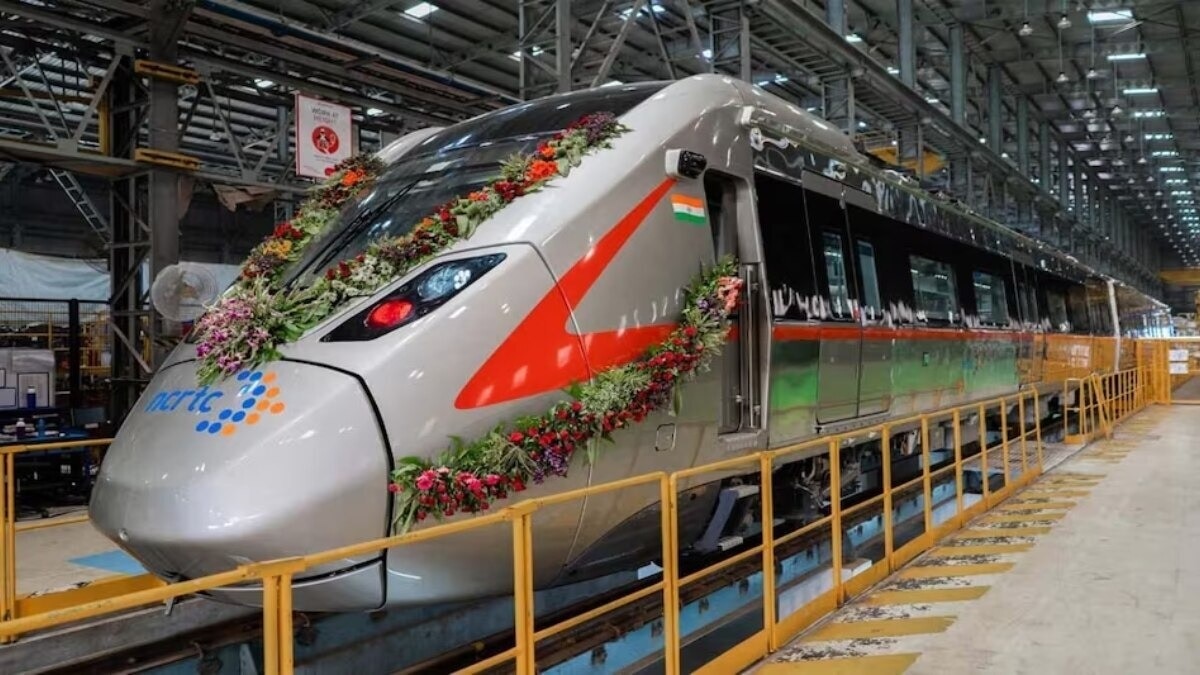
As high-speed regional transit expands across the National Capital Region, a vital link connecting East Delhi to western Uttar Pradesh has re-emerged in long-term planning. The proposed Delhi-Shahdara-Baraut Namo Bharat corridor, managed by the National Capital Region Transport Corporation (NCRTC), is back in focus as part of the region’s broader rapid rail transit vision.
While construction has not yet commenced and official details regarding station locations, alignment, and execution timelines remain unannounced, the corridor represents a crucial strategic addition to regional mobility.
Compared to major urban and industrial hubs like Meerut, Panipat, or Alwar, Baraut is a smaller town. However, the rationale behind extending high-speed rail to this area lies in the high volume of daily commuters who travel between Baraut, nearby districts, and the national capital for employment, higher education, and trade.
Connecting these pockets directly to Delhi via a dedicated transit artery aims to ease severe congestion on existing road networks while dramatically reducing travel times for commuters across western Uttar Pradesh and East Delhi.
The Delhi-Shahdara-Baraut line is structured as one component of a larger, interconnected rapid transit web planned across the NCR. While the flagship Delhi-Ghaziabad-Meerut line is already operational, several other corridors feature in the NCRTC’s long-term network map.
These include proposed routes such as Delhi-Panipat-Karnal, Delhi-Gurugram-SNB-Alwar, Delhi-Faridabad-Palwal, Delhi-Bahadurgarh-Rohtak, Ghaziabad-Hapur, and Ghaziabad-Khurja. Under the master plan, most of these corridors are designed to converge at a central interchange at Sarai Kale Khan, allowing passengers to switch lines seamlessly across the region without entering inner-city surface traffic.
From an urban development perspective, it remains premature to link the project directly to immediate property price fluctuations, given that the corridor is still in its proposal phase.
However, major transportation infrastructure historically elevates long-term residential and commercial interest in adjacent areas. If the project progresses to execution, enhanced regional accessibility could position Shahdara as a strategically advantageous hub for homebuyers and daily commuters across East Delhi.
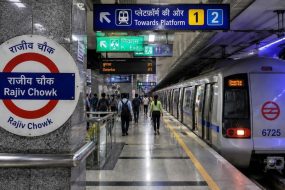
Unlike the traditional Delhi Metro network — which primarily serves intra-city transit with closely spaced stations, lower operating speeds, and short-distance neighborhood connectivity — the Namo Bharat system is specifically engineered for high-speed, long-distance intercity travel.
Operating with fewer stops and higher travel speeds, the regional rapid rail framework acts as a fast-transit bridge connecting outer towns and cities across the expanded NCR footprint directly to Delhi.
#gamechanger #East #Delhi #DelhiShahdaraBaraut #Namo #Bharat #corridor #redefine #NCR #travel1785024960