Bulgaria is positioning itself as an emerging hub for remote workers, offering a new digital nomad visa that aims to draw professionals beyond the crowded hotspots of Portugal and Spain. According to Euronews, the visa opens the door for non-EU remote workers seeking an affordable base within the European Union.
The move comes as Bulgaria undergoes a broader integration into Europe’s core systems. Last year, the country adopted the euro and joined the Schengen Zone, giving residents access to passport-free travel across 29 European countries.
Who Is eligible?
The digital nomad visa is open to non-EU and non-EEA citizens who earn income from outside Bulgaria and meet one of three criteria. Applicants must be freelancers or independent contractors serving non-Bulgarian clients for at least a year, remote employees of companies registered outside the EU, EEA, and Switzerland, or business owners holding more than a 25% stake in a company registered abroad.
Applicants must also meet a minimum income requirement equivalent to 50 times Bulgaria’s monthly minimum wage — about €31,000 ($36,168) annually.
How the application process works
To begin, applicants must secure a Type D long-stay visa from a Bulgarian embassy or consulate in their home country. This visa allows entry into Bulgaria and the submission of a residency application under the digital nomad programme.
Once in the country, applicants have 14 days to apply for a residence permit. Required documentation includes proof of accommodation in Bulgaria, a clean criminal record certificate from the applicant’s country of residence, certified translations of foreign documents into Bulgarian, and valid health insurance covering Bulgaria and the wider Schengen area.
The residence permit is issued for one year and can be renewed for an additional year, provided applicants continue to meet the eligibility criteria.
Why Bulgaria?
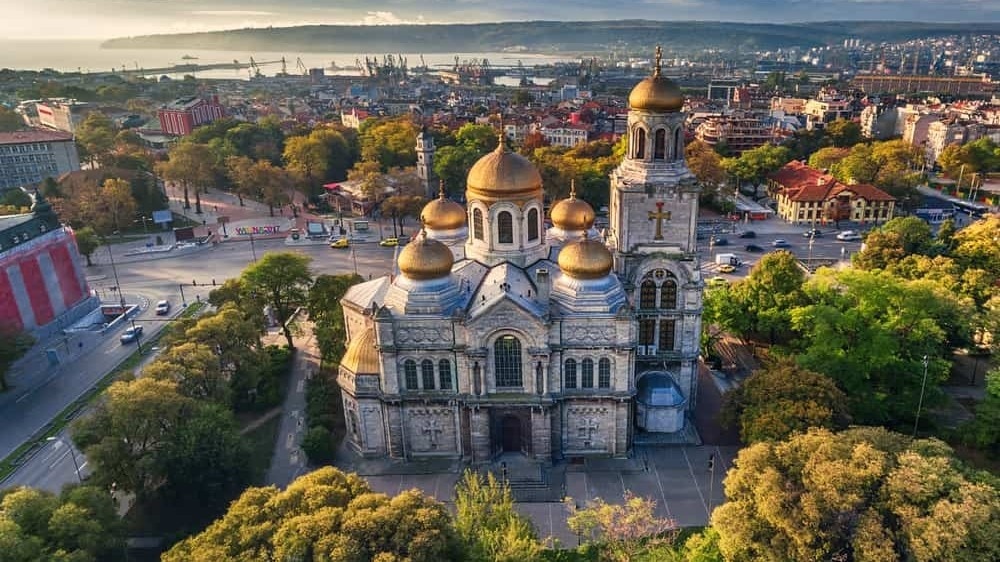
One of Europe’s oldest nations, Bulgaria is roughly the size of the US state of Virginia and offers a mix of history, affordability, and lifestyle appeal. Its capital, Sofia, is home to the iconic Alexander Nevsky Cathedral — one of the largest Christian churches in the world — while the country is also known for its popular winter sports resorts.
With lower living costs than Western Europe and seamless access to the Schengen Zone, Bulgaria’s new digital nomad visa could make it an increasingly attractive option for remote workers looking for a fresh European base.
#Europes #remotework #destination #Bulgaria #introduces #digital #nomad #visa #apply1768125389