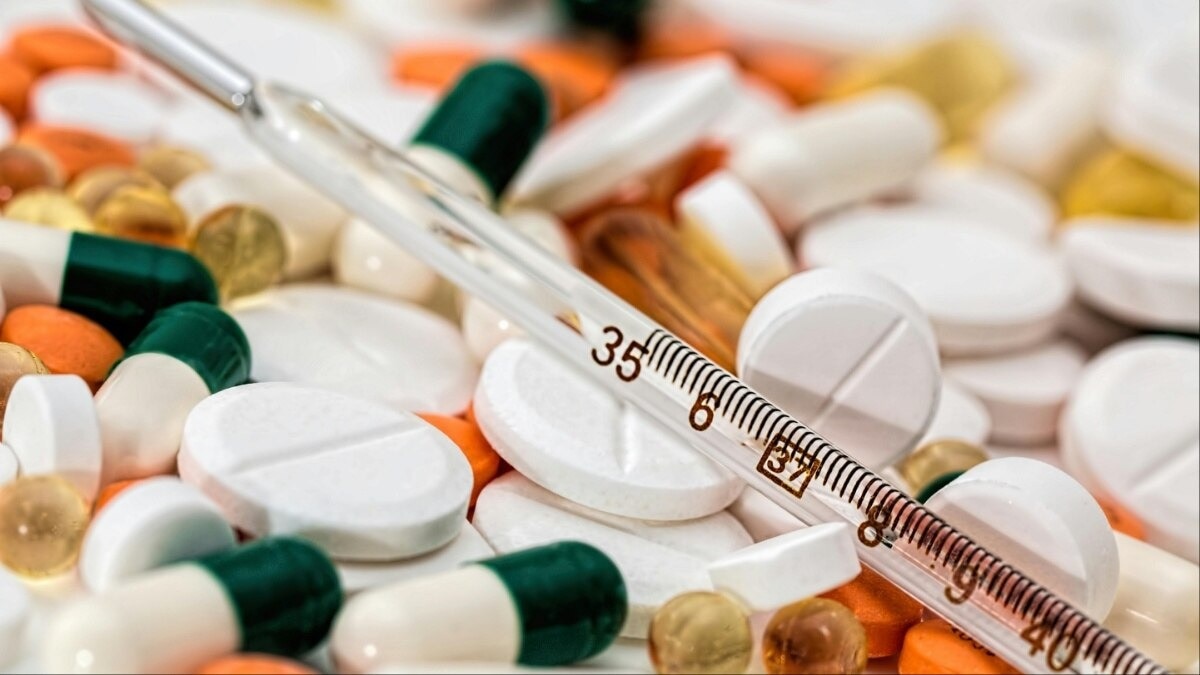
The conclusion of the India–European Union Free Trade Agreement is expected to ease long-standing market access constraints for Indian pharmaceutical and healthcare manufacturers, as the pact commits to tariff reductions, regulatory cooperation and smoother trade procedures for one of the world’s most tightly regulated healthcare markets.
Europe remains a large but under-penetrated destination for Indian drugmakers. Data from the Pharmaceuticals Export Promotion Council of India (Pharmexcil) show that the EU accounts for about 19% of India’s pharmaceutical exports, despite India being a leading global supplier of generic medicines. High tariffs, compliance costs and regulatory complexity have traditionally limited deeper penetration.
The FTA seeks to address some of these constraints. Under the agreement, the EU will eliminate tariffs of up to 11% on pharmaceuticals and reduce duties on nearly 90% of medical devices from levels as high as 27.5% to zero, subject to phased implementation and final schedules. Beyond tariffs, the pact places emphasis on regulatory cooperation, customs facilitation and intellectual property protections—factors that directly influence cost, timelines and predictability for exporters.
“The agreement offers tangible gains for life sciences companies, particularly through simplified compliance procedures and stronger regulatory alignment. While tariff liberalisation will improve cost competitiveness, sustained attention will be required to address non-tariff barriers that often slow market entry into the EU,” said Suresh Nair, Partner, Indirect Tax, EY India.
For exporters, the agreement is being viewed as especially important for expanding the footprint of Indian medicines in regulated markets. “The FTA strengthens the position of Indian formulations, APIs and value-added medicines in Europe. Reduced tariffs and smoother market entry will particularly benefit pharma MSMEs that possess strong quality capabilities but face cost and access challenges in highly regulated markets,” said Namit Joshi, Chairman, Pharmexcil, adding that this would allow companies to scale exports and integrate more deeply into European supply chains.
The agreement also brings clarity on intellectual property, a long-standing concern in trade negotiations involving pharmaceuticals. “The pact reaffirms TRIPS-aligned intellectual property protections while safeguarding India’s strengths in generics and public health. This balance provides regulatory certainty for manufacturers planning long-term investments,” said Sudarshan Jain, Secretary General, Indian Pharmaceutical Alliance.
The FTA could also have implications for access to medicines in India. “Many medicines imported from Europe are advanced and patented therapies used in cancer and rare diseases. Reducing tariffs from 11% to zero will make these medicines more affordable and accessible for Indian patients,” said Sheetal Arora, Promoter and CEO, Mankind Pharma, noting that the agreement also opens new export avenues for Indian API and generics manufacturers and reduces dependence on the US market.
In preventive healthcare and nutraceuticals, industry executives expect benefits to accrue over a longer horizon. “Europe’s science-led regulatory framework will encourage stronger clinical validation, better traceability and higher compliance standards in India. Over time, this will help build global consumer trust in Indian nutraceuticals,” said Sanjaya Mariwala, Executive Chairman and Managing Director, OmniActive Health Technologies, pointing to Europe’s ageing population and growing focus on wellness.
At the same time, exporters acknowledge that access to the EU market comes with higher execution demands. “The EU places strong emphasis on quality systems, documentation, traceability and pharmacovigilance across the product lifecycle. Indian companies will need to invest consistently in manufacturing discipline and quality infrastructure to sustain growth in Europe,” said Parag Bhatia, Director, Laborate Pharmaceuticals.
This places renewed focus on testing and compliance capacity. “The EU has stringent, well-defined quality norms for pharmaceuticals and healthcare products. To fully leverage the FTA, India will need to scale up testing capabilities, R&D infrastructure and skilled manpower, alongside stronger efforts in training and upskilling,” said Dr Saurabh Arora, Managing Director, Auriga Research.
From the medical devices segment, industry sees parallel gains. “The agreement could help expand exports of medical textiles, surgical instruments and disposables. Over time, tariff reductions on devices are also expected to improve affordability and access to advanced therapies for patients,” said Pavan Choudary, Chairman, Medical Technology Association of India, adding that European companies operating in India are also looking at greater local manufacturing and R&D opportunities.
India–EU FTA pharma, Indian pharmaceutical exports EU, India EU trade deal healthcare, pharma tariff cuts EU, medical devices exports India EU, Indian generics Europe, India EU regulatory cooperation pharma#IndiaEU #FTA #eases #market #access #cuts #tariffs #Indian #pharma #medical #devices1769619611

access
Cuts
devices
eases
FTA
India EU regulatory cooperation pharma
India EU trade deal healthcare
India–EU FTA pharma
IndiaEU
Indian
Indian generics Europe
Indian pharmaceutical exports EU
Market
medical
medical devices exports India EU
pharma
pharma tariff cuts EU
tariffs