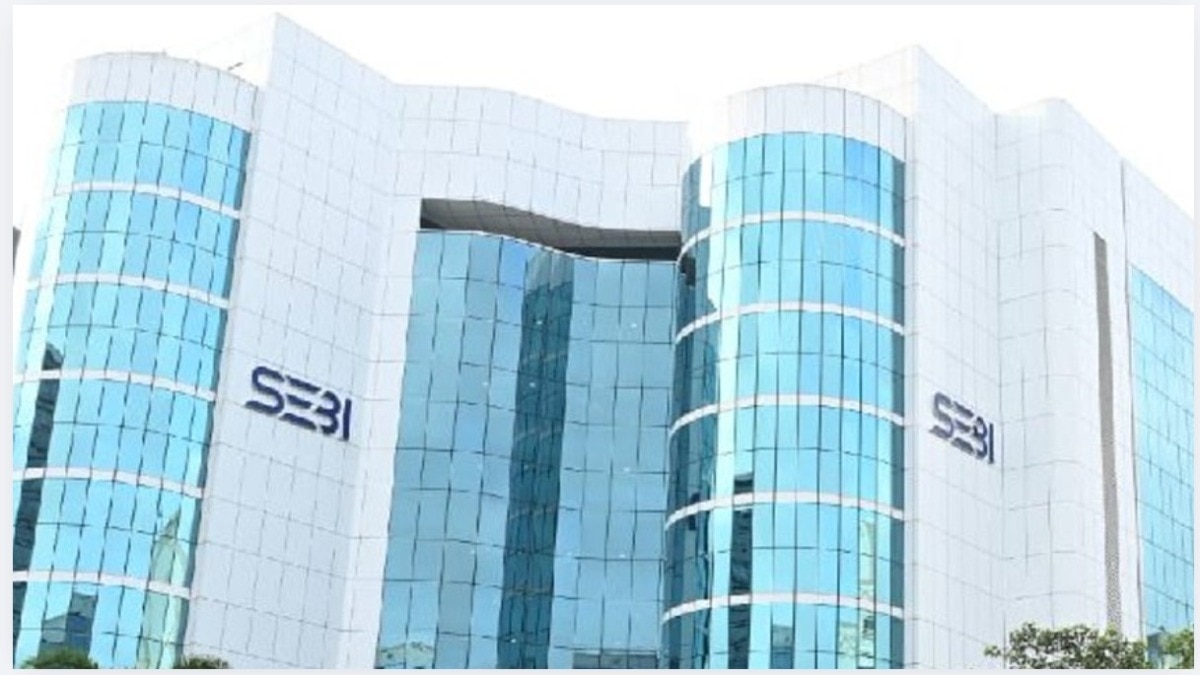
Three major outages occurred in less than a year. On October 28, 2025, there was a four-hour blackout; in July 2025, an hour was lost; and in February 2024, a four-hour platform collapse occurred. During these incidents, gold prices were moving, silver was volatile, and crude oil swings were frequent — yet traders needing to act quickly faced frozen screens. In April 2026 alone, MCX processed Rs 383 lakh crore in turnover — Rs 360.64 lakh crore in options and Rs 23.27 lakh crore in futures — mainly driven by proprietary traders (59.7%) and retail clients (37.5%). This starkly contrasts with India’s equity markets. NSE and BSE have handled record volumes in equity derivatives — over Rs 10,000 lakh crore monthly in equity options — while maintaining stable infrastructure. With a view to safeguard the interest of investors, in November 2024, SEBI established a mutual alternative trading venue: if one exchange fails, the other can intervene within 75 minutes. Commodity exchanges have operated under SEBI’s Business Continuity and Disaster Recovery framework since the FMC-SEBI merger in September 2015, and MCX has a DR site that it can activate. However, a DR site is merely a backup, not a solution — when even the DR cannot restore normal operations within the first hour, commodity traders have no alternative. Nothing is learned from the rain affected outage MIIs suffered in 2005.
The rising price environment makes each outage more expensive than the previous one. Gold opened at Rs 1,59,251 per 10 grams on May 25, 2026, representing a 73% increase from Rs 92,610 a year earlier. Silver has almost tripled in value, from Rs 95,430 per kilogram in May 2025 to Rs 2,76,073 today. A deliverable silver position now fluctuates by tens of lakhs in value between market open and noon. Stop-loss orders are set, margins are placed, and the trade is active. However, once the terminal goes blank, all protective measures become worthless. Moot question is like are we in the era of ‘Buyer be aware?
Each outage has followed a consistent pattern. MCX announces a delay, then revises the restart time multiple times—sometimes without explanation. Trading resumes briefly with a brief statement that operations have moved to the Disaster Recovery site. This pattern was repeated in October 2025, July 2025, and February 2024. In April and October 2021, network failures and clearing glitches caused the markets to halt sequentially. “Three to four incidents in the past few months alone” a leading broker publicly stated. This is not mere bad luck; it indicates unresolved infrastructure issues that recur in the same form each time.
SEBI has actively taken steps, including implementing a Standard Operating Procedure for Market Infrastructure Institutions in 2021,fining MCX Rs 25 lakh in May 2025 for vendor disclosure violations, and its Chairman criticising the pattern as “not right” after October 2025. The iSPOT portal for centralised glitch reporting launched in January 2025. Since the FMC-SEBI merger in 2015, MCX has been governed by SEBI’s Business Continuity Plan and DR guidelines, including its DR site.
However, activating the DR does not ensure market continuity: traders are still locked out during recovery, and a four-hour window indicates a documented failure rather than prevention. The key missing element is an alternative trading platform. While SEBI’s November 2024 circular mandated a 75-minute activation between NSE and BSE for equities, it excluded commodity exchanges, leaving jewellers, craftsmen, metal and silver traders with deliverable positions outside the framework.
This is where the abstract becomes personal. A proprietary trader with open silver exposure on October 28, 2025, couldn’t exit as prices moved. A hedger with crude positions nearing expiry couldn’t roll over. A retail participant’s stop-loss was triggered twice while the exchange remained dark. These are real losses, not hypothetical. They represent the direct cost of infrastructure failure, entirely borne by the participant. An institutional fine, for an exchange earning Rs 203 crore quarterly, is manageable. The trader absorbs the cost; the exchange pays the fine and moves on.
What must change – Five things must now happen as regulatory mandates.
1. SEBI should establish a commodity-specific market-continuity framework, similar to the equity alternative-venue model. MCX commodity contracts cannot be transferred to another platform mid-session. What is required is a pre-agreed close-out and provisional settlement protocol for open positions during verified outages, supported by a SEBI-approved live mirror trading environment, with mandatory quarterly failover drills documented publicly.
2. Financial disincentives under SEBI’s SOP are applied per incident and based on a percentage of the exchange’s net profit. However, for an exchange of MCX’s size, this calculation doesn’t have any deterrent effect. SEBI should update the disincentive system by adding increasing multipliers for repeated violations within a 24-month rolling period, removing the profit-based cap, and requiring board-level disclosure to SEBI after each new breach.
3. Commission an independent third-party audit of MCX’s platform and DR architecture, with the report to be publicly released within 90 days.
4. Real-time outage disclosure — any disruption lasting over 15 minutes must be disclosed simultaneously on MCX’s website, SEBI’s portal, and terminals, with a timestamped root cause provided within 30 minutes.
5. The overlooked intervention in all regulatory discussions so far: SEBI needs to create a formal trader compensation system. This system should draw from a dedicated fund, sourced from collected disincentives and managed through SEBI’s Investor Protection and Education Fund, accessible to traders stuck at the terminal — such as those with open positions, pending stop-losses, or delivery obligations, during verified exchange outages. Traders should be able to claim partial reimbursement for documented losses. Since exchanges earn revenue from these traders, the resulting damage when their systems fail should not be borne solely by the traders.
SEBI’s goal to include banks, insurers, pension funds, and foreign investors in commodity derivatives is welcome; however, institutional investors review outage histories before investing. Each MCX outage is part of their due diligence. The existing participants, who have expanded the market to Rs 383 lakh crore monthly, deserve the same protections that equity investors expect. Being stuck at the terminal is not a valid trading tactic, nor should it be a regulatory consequence. SEBI has the authority, framework, and now the evidence. Traders are waiting.
#Trapped #Terminal #StopLoss #Won039t #Work1781094996