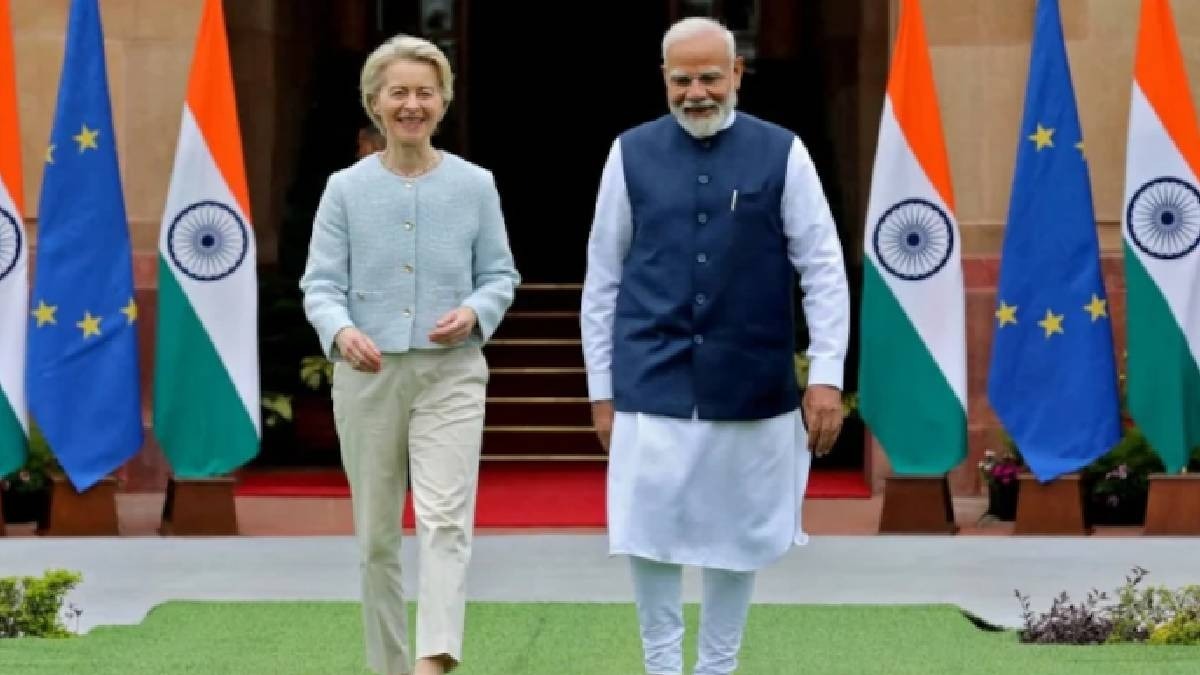
European Commission President Ursula von der Leyen arrived in New Delhi on January 23 on a state visit, marking a significant diplomatic moment ahead of India’s 77th Republic Day celebrations. She was received by Minister of State for Commerce and Industry Jitin Prasada at the airport.
“We are closing in on the EU-IN Free Trade Agreement. See you soon in Delhi,” she wrote on X (formally twitter).
Von der Leyen, along with European Council President António Luís Santos da Costa, will be the chief guests at the Republic Day parade on January 26, underscoring the growing strategic importance of India-EU ties. The visit also sets the stage for the 16th India-EU Summit, scheduled for January 27 in the national capital.
According to a statement from the European Council, the two EU leaders will meet Prime Minister Narendra Modi to review and deepen the India-EU strategic partnership. Key areas on the agenda include trade, security and defence cooperation, the clean energy transition, and people-to-people ties.
Trade, however, is expected to dominate discussions, with both sides close to clinching a long-pending free trade agreement (FTA). Speaking at the World Economic Forum in Davos earlier this week, von der Leyen described the proposed pact as the “mother of all deals,” signalling momentum after years of negotiations.
An announcement on the trade agreement is widely expected at the summit on January 27. Once signed, the deal will still require ratification by the European Parliament, a process that could take at least a year. Recent moves by EU lawmakers to legally challenge the EU-South America trade pact highlight how parliamentary scrutiny could potentially delay or complicate approval.
If concluded and implemented, the India-EU trade agreement could significantly expand bilateral commerce and provide a boost to Indian exports such as textiles and jewellery. These sectors have faced headwinds from steep U.S. tariffs of up to 50% imposed since late August. The pact could also help Indian exporters regain competitiveness lost after the European Union withdrew Generalised System of Preferences (GSP) benefits in 2023.
For India, the agreement would be its ninth trade deal in just four years, reflecting New Delhi’s broader strategy to secure market access at a time when global trade is becoming increasingly protectionist. India is also pushing for easier mobility for professionals and greater access for its IT and services exports.
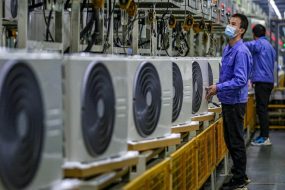
From the EU’s perspective, the deal supports efforts to diversify supply chains, reduce dependence on China, and tap into India’s rapidly expanding $4.2 trillion economy.
The European Union remains one of India’s largest trading partners. Bilateral trade in goods and services crossed $190 billion in 2024-25, with India exporting around $76 billion in goods and $30 billion in services. While average EU tariffs are relatively low at 3.8%, labour-intensive sectors such as textiles face duties of around 10%, making tariff reductions a key priority for India in the negotiations.
Ursula von der Leyen India visit, EU leaders Republic Day 2026, India EU Summit January 27, India EU trade agreement, India EU FTA, European Commission President Delhi, India EU strategic partnership, Republic Day chief guests EU, EU India trade deal mother of all deals#Closing #mother #trade #deals #IndiaUrsula #von #derLeyenarrives #India1769265437

Closing
deals
derLeyenarrives
EU India trade deal mother of all deals
EU leaders Republic Day 2026
European Commission President Delhi
India
India EU strategic partnership
India EU Summit January 27
India EU trade agreement
India-EU FTA
IndiaUrsula
mother
Republic Day chief guests EU
trade
Ursula von der Leyen India visit
von