

Union Commerce Minister Piyush Goyal on Saturday confirmed that India has reached a framework for an interim agreement with the United States. In a joint statement, the two countries said that they would “promptly implement this framework” and work toward finalising the interim agreement to achieve a mutually beneficial trade agreement (BTA).
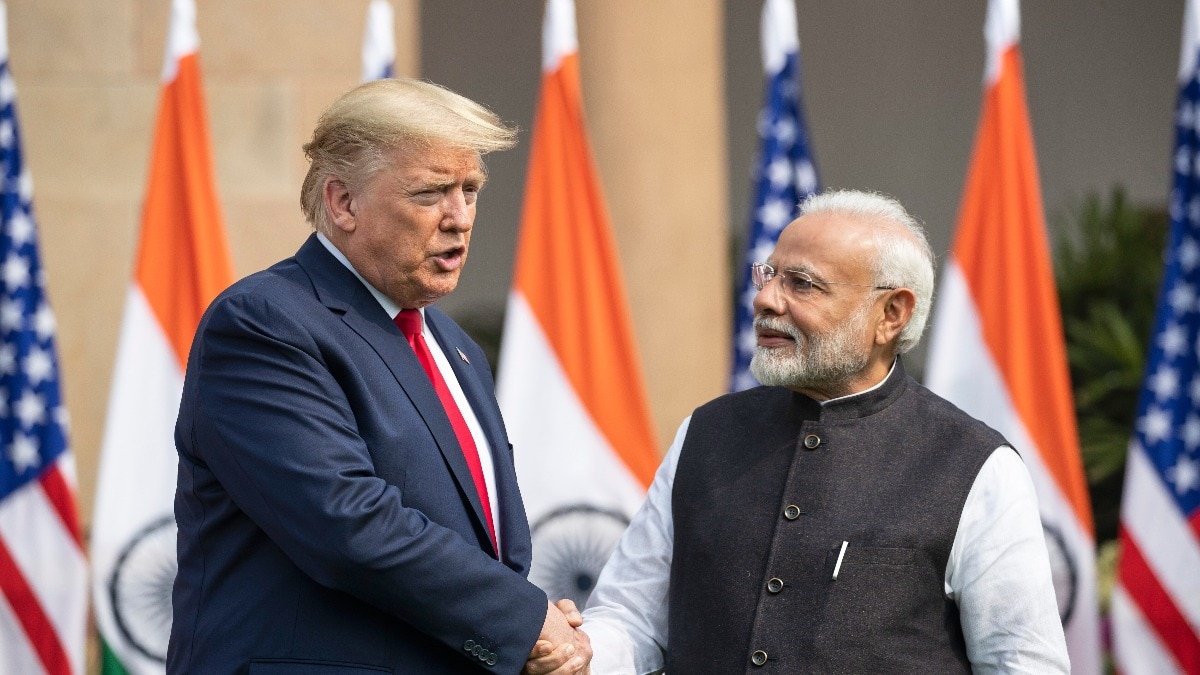
The framework reaffirms their commitment to deepening economic and trade ties. The interim agreement comes almost a week after US President Donald Trump announced that both countries had reached a deal to reduce US tariffs on Indian goods from 50 per cent to 18 per cent in exchange for India reducing Russian oil purchases.
Trump announced the understanding after a call with Prime Minister Narendra Modi, saying India would start buying US oil. He also rescinded a 25% duty on Indian imports, while warning tariffs could return if India resumes Russian oil purchases.
US Trade Representative Greer called the interim deal a key step in boosting US access and bilateral ties. The details of the much-awaited agreement framework are out — right from the size of the export market to tariff reductions to protected sectors.
What is India getting?
Goyal said that the deal would open a $30 trillion market for Indian exporters, particularly MSMEs, farmers and fishermen.
He added that the increase in exports would create lakhs of new job opportunities for women and youth. Goyal also gave an update on the US’s reciprocal tariffs on Indian goods.
“As part of this framework, the US will slash reciprocal tariffs on Indian goods to 18%, providing a huge market opportunity in key sectors such as textiles & apparel, leather & footwear, plastic & rubber products, organic chemicals, home décor, artisanal products, and select machinery in the world’s largest economy,” he wrote on X.
He added that tariffs would go down to zero on goods including generic pharmaceuticals, gems and diamonds, and aircraft parts.
The Union Minister mentioned that New Delhi will also obtain exemptions under section 232 for aircraft parts, tariff rate quotas on auto parts, and negotiated outcomes on generic pharmaceuticals, leading to tangible export gains in these sectors.
Piyush Goyal reiterated that the agricultural and dairy sectors have been protected, safeguarding farmers’ interests and sustaining rural livelihoods. The products for which protection has been sought include maize, wheat, rice, soya, poultry, milk, cheese, ethanol (fuel), tobacco, certain vegetables, meat, etc.
He wrote towards the end of his post: “This agreement will help India and the US remain focused on working together to further deepen economic cooperation, reflecting shared commitment to sustainable growth for our people and businesses. Towards realising Viksit Bharat!”
What will the US get?
India, on the other hand, is committed to eliminating or reducing tariffs on all US industrial goods and a wide range of US food and agricultural products, including dried distillers’ grains (DDGs), red sorghum for animal feed, tree nuts, fresh and processed fruit, soybean oil, wine and spirits, and additional products.
New Delhi has also agreed to eliminate restrictive import licensing procedures that delay market access for, or impose quantitative restrictions on, American Information and Communication Technology (ICT) goods, apart from addressing long-standing barriers to the trade in US medical devices.
According to the joint statement, New Delhi has further agreed to “determine, with a view towards a positive outcome, within six months of entry into force of the Agreement, whether U.S.-developed or international standards, including testing requirements, are acceptable for the purposes of U.S. exports entering the Indian market in identified sectors.”
India also intends to purchase $500 billion worth of US energy products, aircraft and aircraft parts, precious metals, technology products, and coking coal over the next 5 years.
The common ground
“For the purposes of enhancing ease of compliance with applicable technical regulations, the United States and India intend to discuss their respective standards and conformity assessment procedures for mutually agreed sectors,” the Commerce Ministry statement read.
Both countries will increase trade in technology products, including Graphics Processing Units (GPUs) and other goods used in data centres, and expand joint technology cooperation.
They also committed to addressing discriminatory and burdensome practices and other barriers to digital trade, besides setting a clear pathway to achieve a robust, ambitious, and mutually beneficial digital trade rules as part of the bilateral trade agreement (BTA).
Both countries are committed to providing each other with preferential market access in sectors of respective interest on a sustained basis. They will also establish rules of origin to ensure that the benefits of the agreement accrue to the and India.
India US interim agreement, India US interim trade agreement, India US trade deal, India-US interim agreement, India-US interim trade agreement, India-US trade deal, Piyush Goyal, Donald Trump, Narendra Modi, Jamieson Greer, details of India US interim agreement, details of India US interim trade agreement, details of India US trade deal, details of India-US interim agreement, details of India-US interim trade agreement, what will india get under India US interim agreement, what will india get under India US interim trade agreement, what will india get under India US trade deal, what will india get under India-US interim agreement, what will india get under India-US interim trade agreement, what will india get under India-US trade deal, what will india get under India US interim agreement, what will US get under India US interim trade agreement, what will US get under India US trade deal, what will US get under India-US interim agreement, what will US get under India-US interim trade agreement, what will US get under India-US trade deal, will tariffs on India go down under India US interim agreement, will tariffs on India go down under India US interim trade agreement, will tariffs on India go down under India US trade deal, will tariffs on India go down under India-US interim agreement, will tariffs on India go down under India-US interim trade agreement, will tariffs on India go down under India-US trade deal#IndiaUS #interim #agreement #Reciprocal #tariffs #India #duty #generic #pharma1770434125

agreement
details of India US interim agreement
details of India US interim trade agreement
details of India US trade deal
donald trump
duty
generic
India
India US interim agreement
India US interim trade agreement
India US trade deal
IndiaUS
interim
Jamieson Greer
Narendra Modi
pharma
Piyush Goyal
Reciprocal
tariffs
what will india get under India US interim agreement
what will india get under India US interim trade agreement
what will india get under India US trade deal
what will US get under India US interim trade agreement
what will US get under India US trade deal
what will US get under India-US interim agreement
will tariffs on India go down under India US interim agreement
will tariffs on India go down under India US interim trade agreement
will tariffs on India go down under India US trade deal