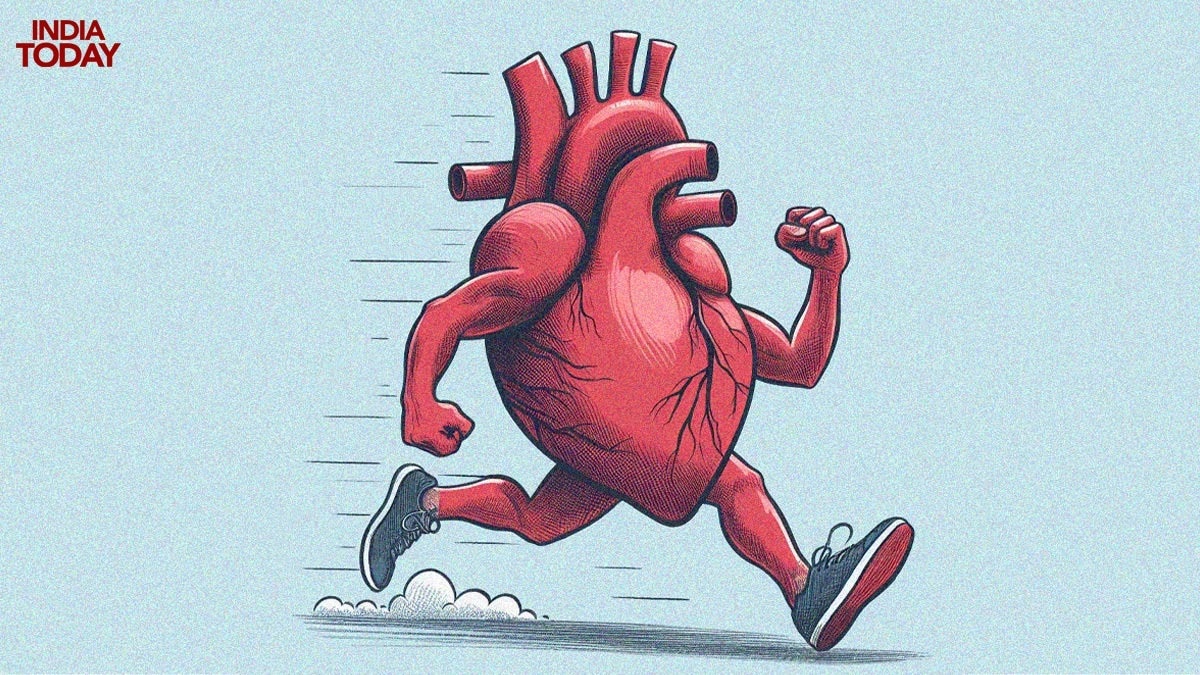
Heart disease is no longer a distant, late-life risk—it is increasingly something that could affect you much earlier than expected. New data suggests that cardiac conditions are now showing up in people in their 20s and 30s, reshaping how insurance, healthcare, and even workplaces respond to health risks.
According to Plum’s Heart Health Data Labs, which analysed over 100,000 insurance claims and 10,000 health checkups, the nature of heart disease is changing—both in terms of age of onset and severity.
Why this matters for you
If you are in your 20s or 30s, the assumption that heart disease is a concern for “later” may no longer hold. The data shows that many people are entering the healthcare system only after symptoms become severe, often requiring immediate surgical intervention.
Nearly 60% of heart-related cases now require procedures like angioplasty or bypass surgery, indicating that the disease is being detected late.
This has direct financial implications for you. Treatment costs can range between ₹20 lakh and ₹28 lakh, driven by ICU stays, surgeries, and prolonged recovery.
ALSO READ: NPS Swasthya update: PFRDA mandates health insurance, allows full exit for treatment
Insurers and your premium
Insurance companies have traditionally priced policies assuming that younger individuals are low-risk. But if people like you are developing cardiac issues earlier, insurers face:
Higher lifetime claims per policyholder
Faster exhaustion of coverage limits
Increased chances of repeat claims
This could gradually translate into higher premiums, stricter underwriting, or changes in coverage terms, especially if risks are not detected early.
The hidden risk you may not see
One of the biggest concerns is that your routine health check-up may not be enough. The data shows that risk markers such as:
Non-HDL cholesterol
ApoB particle levels
Inflammation (hs-CRP)
can rise well before symptoms appear.
In fact, over 30% of young adults already show high-risk inflammation levels, even when standard reports look normal. This means you could be carrying long-term risk without knowing it.
Why treatment often comes too late
Heart disease often feels sudden — a heart attack or collapse — but in reality, it builds silently over years. By the time you experience symptoms:
Surgery may become the first line of treatment
Hospital stays may be longer
Recovery could take weeks or even months
This not only affects your health but also your finances and career.
ALSO READ: Need more than ₹1 crore cover? How to recalculate your life insurance needs
How it impacts your work life
If you are working, especially in your prime earning years, early cardiac issues can disrupt your professional trajectory. Extended medical leave, reduced productivity during recovery, and follow-up treatments can all take a toll.
For employers, this is becoming a growing concern, as younger employees face serious health events during peak career stages. As a result, companies are beginning to rethink health benefits beyond basic wellness programmes.
What you should do differently
The key takeaway is simple: waiting for symptoms may be too late. Instead, you may need to:
Go beyond basic health check-ups
Track advanced biomarkers
Focus on preventive care in your 20s and 30s
heart disease in young Indians, rising cardiac risk in 20s 30s India, heart health insurance impact India, cost of heart surgery India 2026, why young people getting heart attacks, cardiac insurance claims India data, early heart disease risk factors India, health insurance premium increase young adults, preventive heart care India millennials, Plum heart health report India#Heart #disease #hitting #younger #Indians #means #insurance #cover1775899060

cardiac insurance claims India data
cost of heart surgery India 2026
cover
disease
early heart disease risk factors India
health insurance premium increase young adults
heart
heart disease in young Indians
heart health insurance impact India
hitting
Indians
insurance
means
Plum heart health report India
preventive heart care India millennials
rising cardiac risk in 20s 30s India
why young people getting heart attacks
Younger