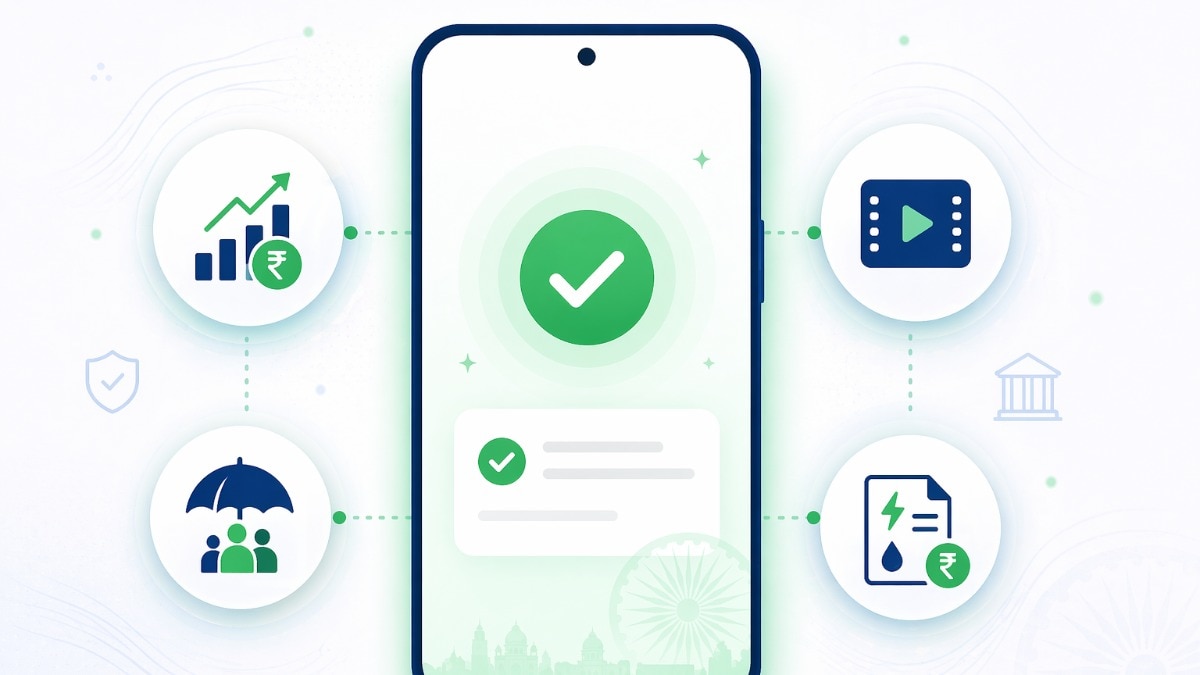
If you have ever missed an SIP date because an OTP did not arrive in time, or had a Netflix subscription interrupted because an auto-debit failed, the Reserve Bank of India has just made that significantly less likely. The RBI has updated its e-mandate framework for recurring digital payments, allowing auto-debit transactions of up to Rs 15,000 to go through without requiring a fresh OTP each time. The new rules are effective immediately.
In practical terms, if you have already authorised a recurring payment once, many future deductions can now happen automatically, no monthly authentication required.
Don’t miss: Rs 19,083 crore lost to penalties: Why maintaining minimum balance in bank accounts matters
What has actually changed
An e-mandate is the permission you give a bank, card issuer or payment app to allow recurring deductions, the mechanism behind automatic payments for SIPs, insurance premiums, EMIs, broadband bills, OTT subscriptions and similar scheduled charges.
Under the earlier framework, transactions above a certain limit triggered a fresh OTP requirement each cycle. If the message was delayed, your network was poor, or you simply missed the alert, the payment failed, often resulting in interrupted services, missed investment dates, lapsed insurance or credit card penalties.
Under the revised rules, recurring payments up to Rs 15,000 per transaction can now go through automatically once the mandate is registered. A monthly Rs 12,000 SIP, a Rs 9,000 insurance instalment or a Rs 6,000 utility bill can all be processed without additional authentication each time.
For insurance premiums, mutual fund subscriptions and credit card bill payments, RBI has set a significantly higher threshold, up to Rs 1 lakh. This matters because many real-life recurring payments in these categories exceed Rs 15,000.
Someone paying a quarterly insurance premium of Rs 35,000 or clearing a monthly credit card bill of Rs 48,000 may no longer need a fresh OTP every cycle, provided the mandate is active and the bank supports the framework.
Your consent still comes first
RBI has not removed customer control from the equation. When you first create an auto-pay instruction, the initial transaction still requires authentication, an OTP or another approved method. No one can begin deducting money from your account without your explicit consent. Only after that initial setup can future recurring payments proceed automatically within the permitted limits.
Safeguards that remain in place
Two key protections stay in place under the new framework. Banks must send a pre-debit notification at least 24 hours before any deduction, telling you who is charging you, how much will be deducted and when. If you spot an unexpected amount or want to stop a payment, you still have time to act. A confirmation message after the debit is completed is also required.
Customers also retain the right to modify or cancel mandates at any time, if you cancel a service, switch cards or change banks, you can stop the recurring deduction. This is not permanent permission. You remain in control.
RBI auto-pay rule changes, e-mandates, recurring digital payments, OTP requirement, auto-debit transactions, Rs 15000 limit, SIP payments, OTT subscriptions, insurance premiums, credit card bill payments, RBI updated framework, pre-debit notification, payment authentication, customer consent, mandate cancellation, payment safeguards#RBI #autopay #rules #changed #SIPs #OTTs #payments1776839284

auto-debit transactions
autopay
changed
credit card bill payments
customer consent
e-mandates
insurance premiums
mandate cancellation
OTP requirement
OTT subscriptions
OTTs
payment authentication
payment safeguards
Payments
pre-debit notification
RBI
RBI auto-pay rule changes
RBI updated framework
recurring digital payments
Rs 15000 limit
Rules
SIP payments
SIPs
Recent Post



Gallery






Featured Videos