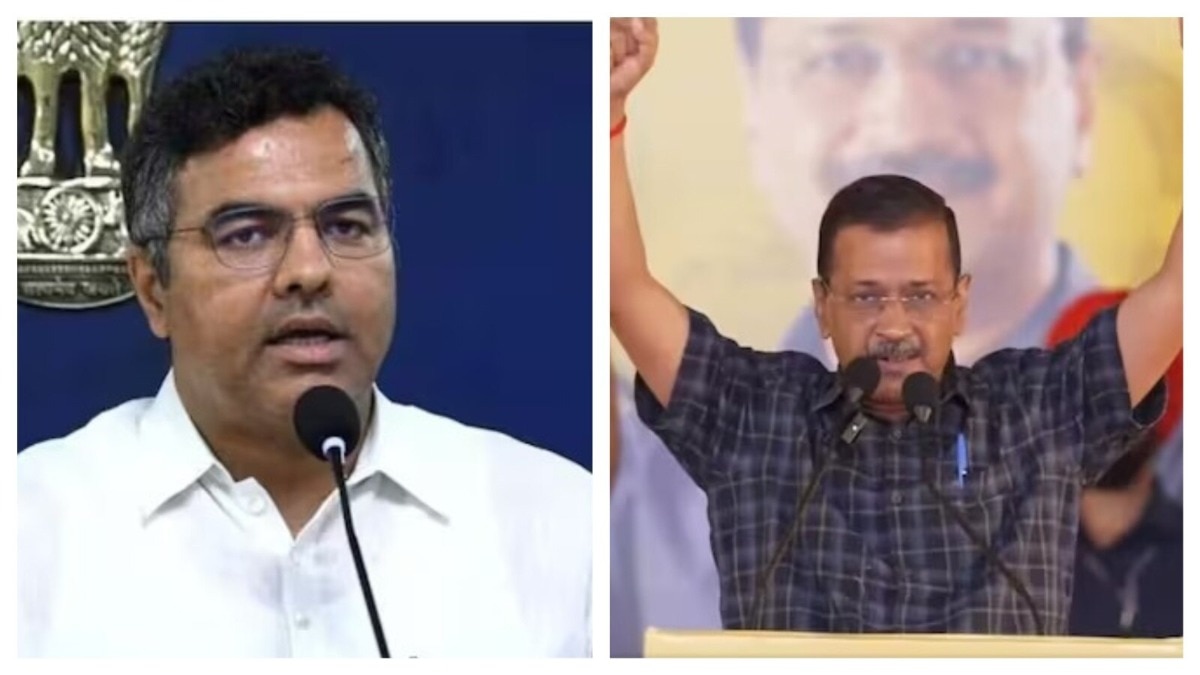
A fresh political flashpoint has erupted between the Bharatiya Janata Party (BJP) and the Aam Aadmi Party (AAP), with both sides trading sharp accusations over what has been dubbed “Sheesh Mahal 2.0.” At the centre of the controversy is a property allegedly linked to former Delhi Chief Minister Arvind Kejriwal — and a renewed debate over “aam aadmi vs luxury politics.”
The phrase builds on an earlier controversy around Kejriwal’s official residence at Flagstaff Road, which the BJP had labelled a “Sheesh Mahal” to highlight alleged extravagant spending from public funds.
Must read: AAP’s toughest phase: Why Raghav Chadha’s exit could reshape India’s youngest national party
Now, the BJP claims there is a second such luxury residence (“2.0”), allegedly tied to Kejriwal — this time linked to a bungalow at Lodhi Estate or, in earlier claims, a property in Chandigarh.
BJP’s allegations
The BJP has escalated the issue with visuals, documents, and political attacks. Delhi minister Parvesh Verma released photos and alleged design plans of a high-end residence, calling it “Sheesh Mahal 2.0.”
The party claims the property is lavish and inconsistent with Kejriwal’s “common man” image.
Questions have been raised about:
- Funding sources
- Possible misuse of public money
- Timing of construction, including allegations linked to the Covid period
BJP leaders have also used political rhetoric and social media campaigns, sharing images to portray the residence as ultra-luxurious.
The controversy has intensified amid broader political churn, including recent defections from AAP.
AAP’s counterattack
AAP has strongly rejected the allegations, calling them fabricated and politically motivated. Senior leader Sanjay Singh said the images circulated by BJP are “fake” and warned of defamation action.
The party maintains that:
- The Lodhi Estate residence was officially allotted by the Central government, not privately built.
- BJP is running a “smear campaign” to distract from governance issues.
AAP leaders have even challenged BJP figures to open their own residences to public scrutiny, framing the issue as political hypocrisy.
Why this controversy matters
- Revival of an old political weapon: The original “Sheesh Mahal” issue was a major electoral talking point and contributed to attacks on AAP over alleged extravagance. “Sheesh Mahal 2.0” shows BJP is doubling down on that narrative.
- Image vs reality debate: The core political battle is symbolic. BJP: Kejriwal’s “aam aadmi” image is misleading. AAP: BJP is manufacturing controversy with fake visuals
- Timing amid AAP crisis: The row comes just after internal turmoil in AAP, including high-profile exits, amplifying political pressure on the party.
- Possible legal fallout: AAP’s threat of defamation cases could turn the political slugfest into a legal battle.
“Sheesh Mahal 2.0” is less about a single bungalow and more about political narrative control. For the BJP, it reinforces a corruption-and-luxury charge against Kejriwal. For AAP, it is a test of credibility — and a chance to push back against what it calls misinformation.
Sheesh Mahal 2.0, Arvind Kejriwal, BJP vs AAP, Delhi politics, luxury bungalow row, political controversy, Sanjay Singh, Parvesh Verma, defamation threat, aam aadmi image#Sheesh #Mahal #BJP #amp #AAP #trade #charges #controversy1777155298

aam aadmi image
AAP
amp
Arvind Kejriwal
BJP
BJP vs AAP
Charges
controversy
defamation threat
Delhi politics
luxury bungalow row
Mahal
Parvesh Verma
political controversy
Sanjay Singh
Sheesh
Sheesh Mahal 2.0
trade