Lloyd Blankfein, former CEO of Goldman Sachs, recalls the chaotic days around the collapse of Lehman Brothers in September 2008 in his memoir Streetwise. Select excerpts from his book.
Lehman’s Historic Fall
We were back at the Fed early on Sunday. But that afternoon, the news came that the Barclays deal was not to be. The British financial authorities said they would block the merger — if Bank of America didn’t want Lehman, they weren’t going to trust what was under the hood. Hank (Henry Paulson) and Tim (Timothy Geithner) were out of options. There was no other plan. We CEOs began once again to focus on our own institutions, to prepare for the turmoil ahead.
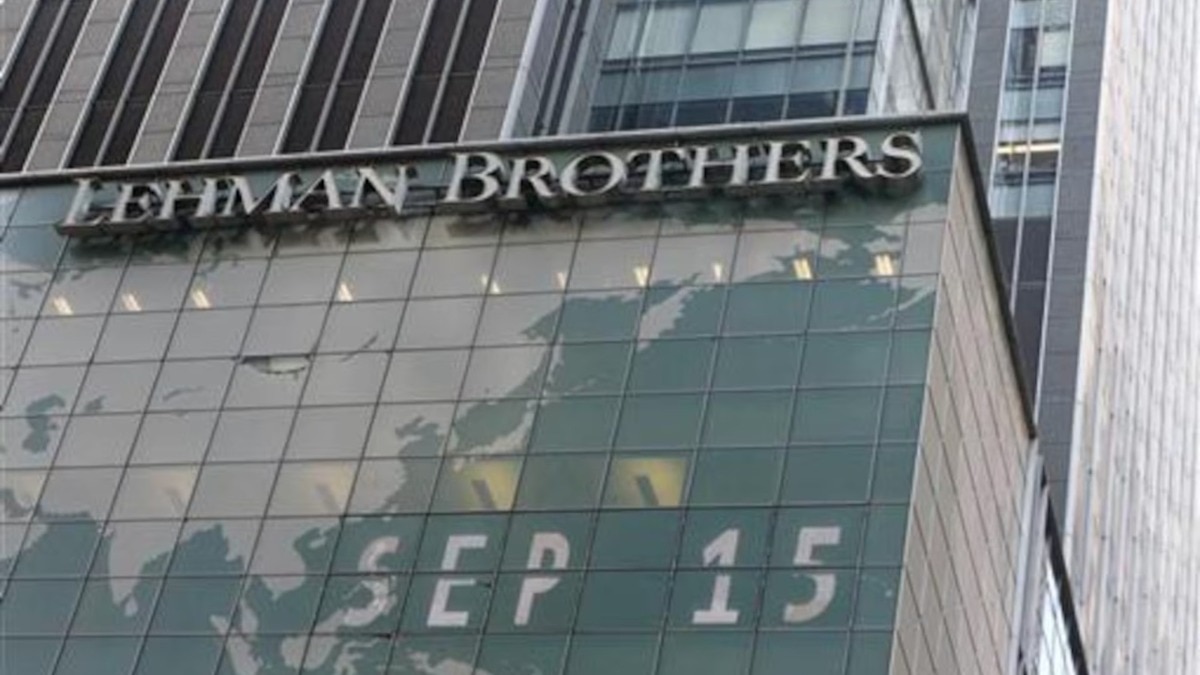
In the wee hours of Monday morning, before the market open, Lehman filed for bankruptcy— the largest one in US history. Everyone saw the pictures of employees streaming out of its headquarters in Midtown holding boxes filled with their family pictures and personal effects. Lehman Brothers was an even older firm than Goldman Sachs.
On September 15, 2008, it failed and was gone after 158 years in business because people lost confidence, and it didn’t make a deal when it could have. Dick Fuld kept holding out for a higher price or better terms from potential acquirers. A lot of great firms have as part of their history surviving huge losses and near- death experiences.
Fuld broke the basic rule of running any institution: Eliminate the biggest existential risks at any cost. The first requirement of business is to stay in business. You can recover from losses and live to fight another day. You can’t recover from being dead.
Back to Goldman
On Monday morning, we drove past the horde of cameras, protesters, and gawkers gathered at the entrance to the New York Fed and into the underground parking garage. I assembled there with the rest of our team before heading up to the boardroom. We hadn’t gotten much sleep and were about to go into a fourth consecutive day of meetings, likely to continue into the evening.
“I don’t think I can take another day of this,” one of our team members complained.
“For crying out loud, you’re getting out of a Mercedes in the basement of the New York Fed. You’re not getting out of a Higgins boat on Omaha Beach! Get a grip!”
It was a performance for the team. But I was speaking to myself as well.
The collapse of Lehman Brothers began a week that felt like a year yet also went by in a dizzying flash. Those of us who favored letting Lehman go, including Ben Bernanke, saw quickly how big the price was. The results were near catastrophic, and the shock waves just kept coming. The stock market fell 5 percent that day, with all the major financial firms dropping by double digits.
The most immediate consequence of the default was that a huge money-market fund that held a small portion of its assets in Lehman’s commercial paper “broke the buck.” That meant that a dollar held in the fund was worth less than a dollar— something that isn’t supposed to ever happen. Not surprising, that news triggered a run by people desperate to get their uninsured deposits out. Unable to meet redemption requests, the fund froze withdrawals and then quickly began liquidating. Even “as good as cash” now seemed unsafe.
After Lehman, the next most vulnerable investment bank was Merrill Lynch. After Merrill, it was Morgan Stanley. And if Morgan Stanley, then potentially Goldman Sachs, despite our healthy balance sheet and lack of material net subprime exposure. It was like living in a five- story building with the waters rising. Bear Stearns was on the first floor, and Lehman was on the second. Merrill Lynch was on the third floor. Morgan Stanley was on the fourth. Goldman was on the fifth floor, the highest one. But if you dropped a pebble out the window, you heard the splash a little too soon.
(Excerpted from Streetwise: Lessons From a Life at Goldman Sachs by Lloyd Blankfein, with permission from the publishers, Orion Publishing Group/Hachette India.)
Lehman Brothers collapse, Lehman bankruptcy 2008, Dick Fuld Lehman Brothers decision, Barclays Lehman deal blocked, Bank of America Lehman acquisition talks, 2008 financial crisis Lehman failure, Wall Street crisis September 2008, Lehman Brothers bankruptcy largest in US history, money market fund broke the buck Lehman, Merrill Lynch Morgan Stanley Goldman Sachs crisis, Goldman Sachs subprime exposure 2008, Ben Bernanke Lehman decision impact, financial crisis contagion effects Wall Street, Lehman Brothers employee layoffs Midtown NYC#Broke #basic #rule #decision #doomed #Lehman #Brothers1777206694

2008 financial crisis Lehman failure
Bank of America Lehman acquisition talks
Barclays Lehman deal blocked
basic
Ben Bernanke Lehman decision impact
Broke
Brothers
decision
Dick Fuld Lehman Brothers decision
doomed
financial crisis contagion effects Wall Street
Goldman Sachs subprime exposure 2008
Lehman
Lehman bankruptcy 2008
Lehman Brothers bankruptcy largest in US history
Lehman Brothers collapse
Lehman Brothers employee layoffs Midtown NYC
Merrill Lynch Morgan Stanley Goldman Sachs crisis
money market fund broke the buck Lehman
rule
Wall Street crisis September 2008