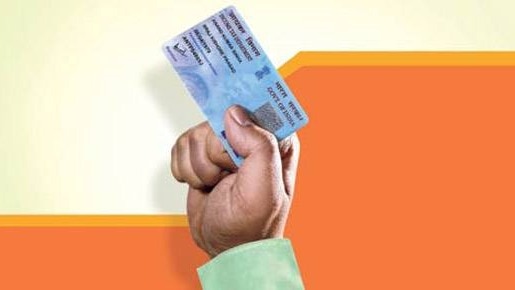
The Central Board of Direct Taxes (CBDT) has released the draft Income-tax Rules, 2026, proposing a comprehensive overhaul of Permanent Account Number (PAN) compliance norms. Issued on February 7, 2026, the draft rules have been opened for public consultation and are expected to form the operational backbone of the Income Tax Act, 2025, which is scheduled to come into force from April 1, 2026. Together, the proposals seek to redraw the boundaries of PAN reporting across a wide range of financial transactions.
The draft rules reflect a dual policy approach — easing compliance for routine, lower-value transactions while tightening oversight of high-value financial activity and cash usage. PAN thresholds have been recalibrated across categories such as property purchases, vehicle transactions, hospitality payments and insurance relationships, even as reporting norms for cash deposits and withdrawals are made more stringent.
Property transactions
Under the proposed framework, PAN reporting requirements for immovable property transactions would be significantly relaxed. At present, PAN must be quoted for property deals valued above Rs 10 lakh. The draft rules double this threshold to ₹20 lakh. According to the CBDT, this change aims to reduce compliance burdens for smaller real estate transactions while continuing to monitor higher-value transfers that pose greater tax risk.
Cash withdrawals
At the same time, the draft introduces stricter scrutiny of cash usage. Reporting thresholds for cash withdrawals from banks and post offices are proposed to be lowered. Currently, withdrawals of Rs 20 lakh or more in a financial year trigger reporting. Under the new rules, PAN would be required for aggregate cash withdrawals of Rs 10 lakh or more annually. The measure is intended to curb the use of cash for tax evasion and strengthen financial transparency across the banking system.
Life insurance transactions
Life insurance transactions are also set to undergo a structural shift. The existing rule requires PAN only if annual insurance premiums exceed ₹50,000. The draft replaces this with a broader requirement—PAN will need to be quoted at the initiation of any account-based relationship with an insurance company, covering all subsequent transactions. This marks a move towards stronger customer identification at the onboarding stage and significantly expands the scope of reportable insurance relationships.
Motor vehicle purchases
Motor vehicle purchases will follow a more targeted, value-based approach. Currently, PAN is mandatory for all vehicle purchases except two-wheelers. The draft rules propose that PAN will be required only for vehicle transactions exceeding ₹5 lakh. The revised framework explicitly includes high-value motorcycles, while excluding tractors. The intent is to reduce paperwork for lower-value purchases while maintaining oversight of premium vehicle transactions.
Hospitality and event-related spending
For hospitality and event-related spending, the draft rules raise the PAN reporting threshold for cash payments. The current requirement to quote PAN for payments above ₹50,000 per transaction will be increased to ₹1 lakh. This change narrows compliance to higher-value discretionary spending and limits reporting obligations for routine expenses.
Overall, the draft Income-tax Rules, 2026, are closely aligned with the broader architecture of the Income Tax Act, 2025. They cover a wide spectrum of financial activity, including cash handling, property and vehicle purchases, insurance relationships and hospitality payments. The CBDT is inviting stakeholder feedback until early March, after which the final rules are expected to be notified. The consultation process is aimed at ensuring the framework balances regulatory oversight with ease of compliance as India transitions to the new tax regime.
Draft income tax rules, Draft income tax rules 2026, Income tax India, Income tax rules, PAN income tax rules, New pan rules, Pan card rules, CBDT PAN compliance changes, PAN reporting thresholds India, Income Tax Act 2025 implementation, PAN rules for property transactions, cash withdrawal PAN limit, PAN requirement for insurance accounts, motor vehicle PAN rules India, hotel restaurant cash payment PAN, tax compliance reforms India, high value transaction reporting, CBDT public consultation tax rules#PAN #compliance #overhaul #Draft #Tax #Code #key #explained #taxpayers1770850711

cash withdrawal PAN limit
CBDT PAN compliance changes
CBDT public consultation tax rules
Code
compliance
Draft
Draft Income Tax Rules 2026
Draft Income-tax Rules
Explained
high value transaction reporting
hotel restaurant cash payment PAN
Income Tax Act 2025 implementation
Income tax India
Income tax rules
key
motor vehicle PAN rules India
New pan rules
overhaul
PAN
Pan card rules
PAN income tax rules
PAN reporting thresholds India
PAN requirement for insurance accounts
PAN rules for property transactions
Tax
tax compliance reforms India
taxpayers