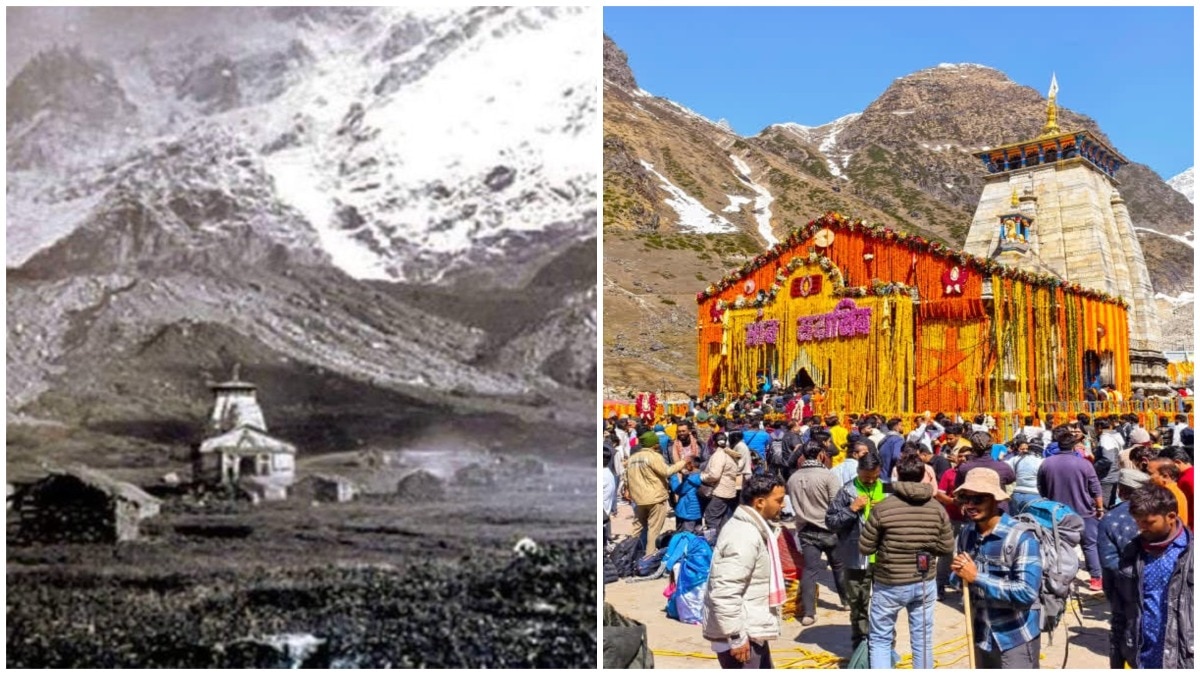
A poignant reflection by Anand Mahindra on the changing nature of the Kedarnath Temple pilgrimage has reignited a wider debate over whether modern access is eroding the very essence of one of Hinduism’s holiest journeys.
What was once a test of endurance and devotion through rugged Himalayan terrain has transformed into a high-volume pilgrimage corridor. While improved infrastructure has made the shrine more accessible than ever, the 2026 Kedarnath Yatra is grappling with serious concerns around crowd management, safety, environmental strain, and excessive commercialization.
“Easy Access” comes at a cost
Mahindra’s reflection — contrasting a historic 1882 image of Kedarnath, when there were no roads, railheads, or helicopters — with today’s reality has struck a chord online.
He noted that while easier access allows more devotees to experience the shrine, something intangible may be slipping away — the slow, reflective nature of the pilgrimage itself. “The journey wasn’t incidental; it WAS the pilgrimage,” he wrote, echoing a sentiment shared by many spiritual observers.
Indeed, what was once a meditative trek is increasingly being described as a rushed, stressful experience. Helicopter services, road expansions, and commercial facilities have shortened travel time but also intensified crowd density, often reducing the spiritual experience to a logistical challenge.
Chaos on the pilgrim trail
This year, unprecedented footfall has overwhelmed existing systems. Reports from the ground describe chaotic scenes — broken barricades, serpentine queues stretching for hours, and pilgrims waiting up to 15 hours for darshan. Frustration has occasionally spilled into protests, especially amid allegations that VIP visitors are being granted faster access.
The surge has exposed gaps in administrative planning. Despite efforts to regulate entry, the sheer number of visitors has led to overcrowding at key points, raising safety concerns in a region already vulnerable to landslides and extreme weather.
Environmental strain on fragile Himalayas
The ecological cost is equally alarming. The fragile Himalayan ecosystem around Kedarnath is under mounting pressure from the influx of pilgrims. Trekking routes are reportedly littered with waste, while makeshift facilities struggle to manage sanitation for such large numbers.
Unchecked tourism risks long-term damage to the region, which is still recovering from past natural disasters. Experts warn that without sustainable practices, the environmental degradation could become irreversible.
While access has improved, supporting infrastructure has not kept pace. Pilgrims report muddy, slippery pathways, inadequate shelter facilities, and inconsistent transport arrangements. Accommodation shortages and inflated prices during peak periods have further added to the strain.
Pilgrimage at crossroads
The Kedarnath Yatra today stands at a critical juncture. On one hand, democratised access has opened the doors of faith to millions. On the other, it risks turning a deeply spiritual journey into a crowded, commercialised experience. The challenge for authorities lies in striking a balance — preserving the sanctity and ecological integrity of Kedarnath while ensuring safe and meaningful access for devotees.
Kedarnath Yatra 2026, Kedarnath Temple, Char Dham Yatra, Uttarakhand pilgrimage, Kedarnath route, darshan timings, Himalayan pilgrimage, crowd management, religious tourism India#roads #helicopters.. #Anand #Mahindra039s #post #viral #Kedarnath #Yatra #rush1777195711

Anand
Char Dham Yatra
crowd management
darshan timings
helicopters..
Himalayan pilgrimage
Kedarnath
Kedarnath route
Kedarnath Temple
Kedarnath Yatra 2026
Mahindra039s
post
religious tourism India
roads
rush
Uttarakhand pilgrimage
viral
Yatra
Recent Post



Gallery






Featured Videos